Work happens away from desks
Harvesters need fast, clear data entry that can support online and offline use when conditions or coverage are not ideal.
Captain's eLog demonstrates Socilogica's ability to turn complex operational and reporting requirements into practical mobile software for commercial fisheries. It supports trip, catch, landing, vessel, and lobster tag records through a structured digital workflow built around offline work, validation, secure submissions, private recordkeeping, support, and harvester-focused reporting.
It is not a fishing-location tracking product. The focus is required reporting, practical support, and helping harvesters manage their own records with confidence.
A one-minute overview of field-ready trip, catch, landing, validation, offline, and secure reporting workflows.
The platform experience needs to feel clear, practical, and trustworthy before a user is back at a desk. These mobile screens show how regulated field reporting can become a guided workflow for English and French users.
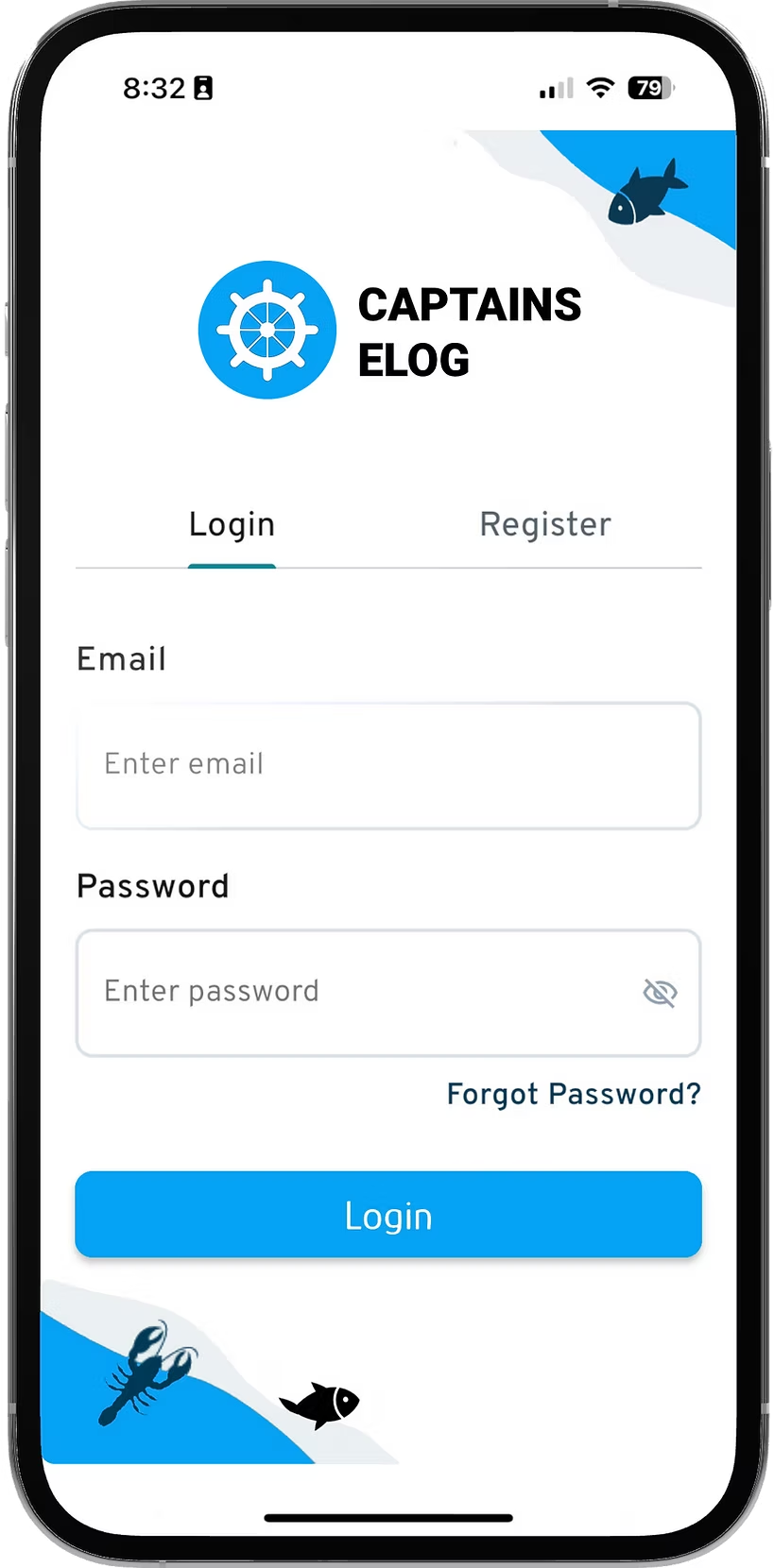
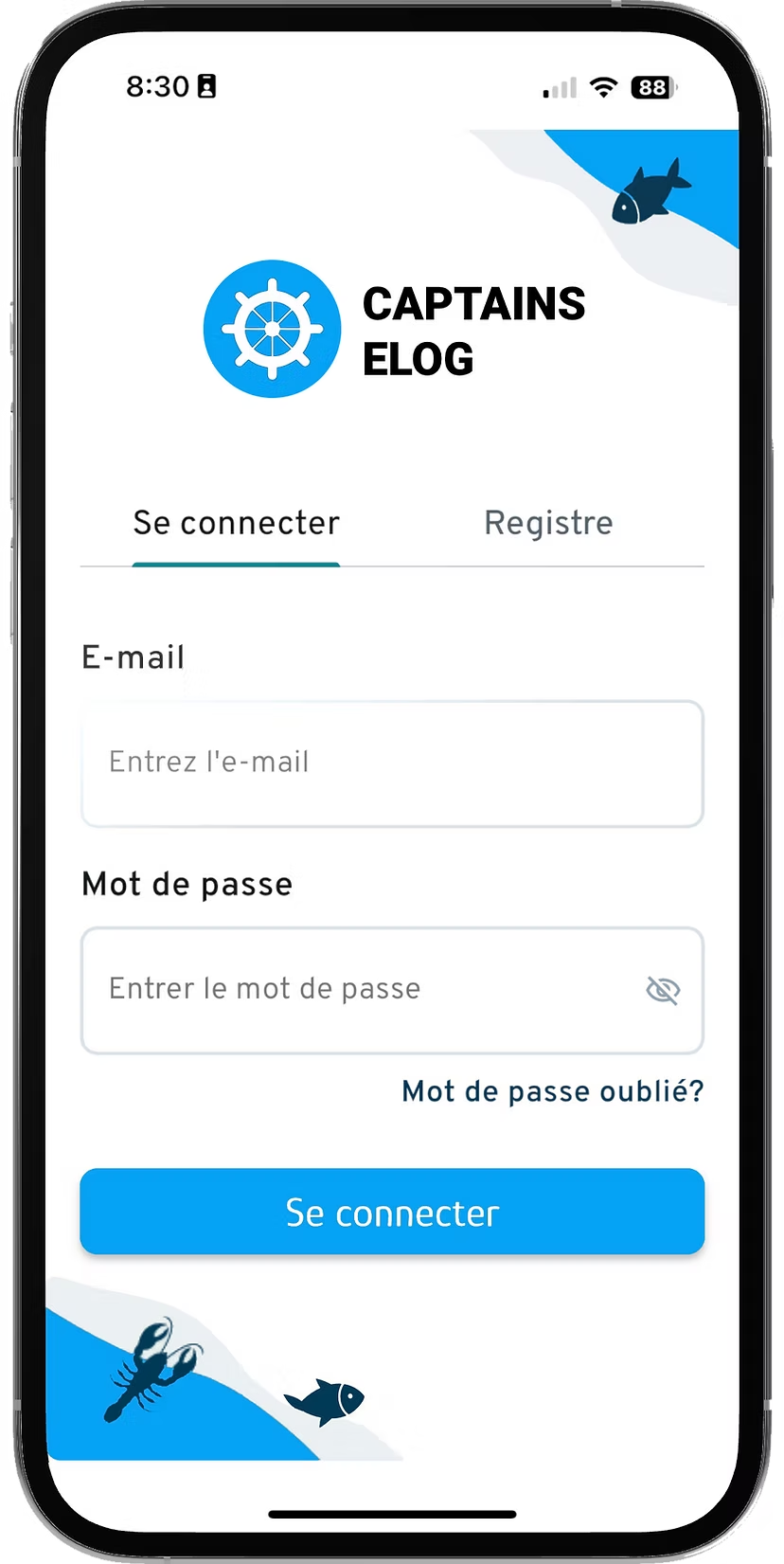
Fisheries reporting is high-stakes field work. The system has to respect limited connectivity, seasonal pressure, changing DFO requirements, sensitive business data, daily trip logging, and regulatory submission workflows.
Harvesters need fast, clear data entry that can support online and offline use when conditions or coverage are not ideal.
Daily trip logs need clear required fields, region and fishery logic, validation, submission history, and audit-friendly outputs.
Harvesters need a system that treats catch, landing, vessel, and business records as sensitive information, not shared operating data for third parties.
Platform scope
Captain's eLog is a digital fisheries reporting platform: mobile daily trip capture, rules-based workflows, secure records, submission workflows for DFO compliance, support tooling, lobster tag recording, analytics, and reporting that helps harvesters understand and manage their own activity.
Trip creation, effort, catch, landing details, vessel information, and structured records for required reporting.
Designed for working environments where connectivity may be intermittent and users need the system to keep moving.
Rules-based forms, required-field checks, secure handling, DFO compliance workflows, and submission history.
Harvesters can record tagged lobsters when they are caught, keeping tag details connected to the trip record.
The same foundation can grow through real user needs, support patterns, reporting requirements, and validated product feedback.
The same architecture can support other species and jurisdictions where commercial harvesters need practical tools for required records, secure submissions, and their own reporting history.
Simple screens, clear flows, fast entry, and practical support are part of the product, not decoration.
The product is positioned around the harvester's required reporting workflow, not sharing private fishing data or fishing locations with outside parties.
Consistent records can support personal history, reporting summaries, submission review, and practical business insight for the harvester.
Captain's eLog gives Socilogica a platform foundation for practical, privacy-aware fisheries reporting tools.
Extend rules, forms, validation, and submission paths for additional fisheries and jurisdictions.
Capture tag numbers and related catch details when tagged lobsters are found during normal fishing activity.
Give harvesters clearer summaries of their own trips, submissions, catch records, and reporting history.
Use carefully scoped assistants for product guidance, issue summaries, reporting help, and training support.
Start with one required workflow, make it useful for harvesters, then connect it to compliance reporting, practical analytics, and support.